City Lights, Charlie Chaplin, 1931
The dominant traits of secondary characters are sometimes chosen based on the obstacles they can potentially represent for the protagonist (cohesion factor).

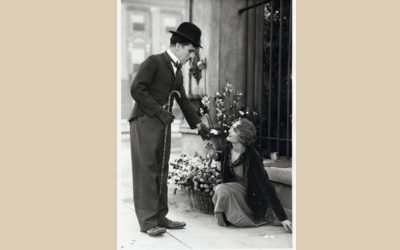
City Lights, Charlie Chaplin, 1931
The dominant traits of secondary characters are sometimes chosen based on the obstacles they can potentially represent for the protagonist (cohesion factor).

Groundhog Day, 1993 Directed by Harold Ramis
The presence of an accessory element can be evidence of a narrative strategy (cohesion factor)

The Man with the Golden Arm, 1955
The narrating agent can introduce a collateral obstacle (not directly related to the plot) but relevant to the plot, in the form of a secondary character whose purpose and actions (verbal or physical) oppose (cohesion/contradiction factor) those of the protagonist.
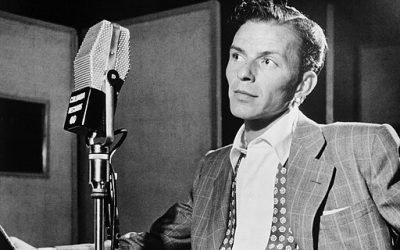
The Man with the Golden Arm, 1955
A “setup” or “planting” (information revealed to the receiving agent but not to the protagonist) can be a way of heightening the emotional impact created by a functional event.

Oppenheimer, 2023
The poetic-lyric tool and abstract notions can cohere (application of the cohesion factor) into an emotional experience.
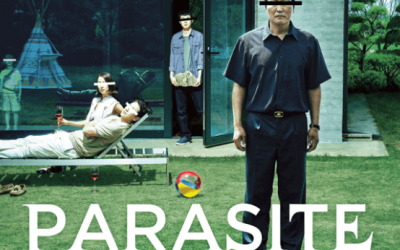
Parasite, 2019, directed by Bong Joon-ho
A plot can start with a central objective and generate a series of realistic or plausible obstacles. Once the objective has been reached and the plot is virtually finished, it can be “reloaded” with a new objective.

City Lights, Charlie Chaplin, United Artists, 1931
Each obstacle in the events that precede and follow a particular situation can be linked by the cohesion factor.

Discover here an extract from a narrative work, complete with commentary, to inspire you—whether you wish to emulate it, reimagine it, or do the exact opposite.

Discover here an extract from a narrative work, complete with commentary, to inspire you—whether you wish to emulate it, reimagine it, or do the exact opposite.

Discover here an extract from a narrative work, complete with commentary, to inspire you—whether you wish to emulate it, reimagine it, or do the exact opposite.

Discover here an extract from a narrative work, complete with commentary, to inspire you—whether you wish to emulate it, reimagine it, or do the exact opposite.

Discover here an extract from a narrative work, complete with commentary, to inspire you—whether you wish to emulate it, reimagine it, or do the exact opposite.

Discover here an extract from a narrative work, complete with commentary, to inspire you—whether you wish to emulate it, reimagine it, or do the exact opposite.

Discover here an extract from a narrative work, complete with commentary, to inspire you—whether you wish to emulate it, reimagine it, or do the exact opposite.

Discover here an extract from a narrative work, complete with commentary, to inspire you—whether you wish to emulate it, reimagine it, or do the exact opposite.

Discover here an extract from a narrative work, complete with commentary, to inspire you—whether you wish to emulate it, reimagine it, or do the exact opposite.

Discover here an extract from a narrative work, complete with commentary, to inspire you—whether you wish to emulate it, reimagine it, or do the exact opposite.

Discover here an extract from a narrative work, complete with commentary, to inspire you—whether you wish to emulate it, reimagine it, or do the exact opposite.
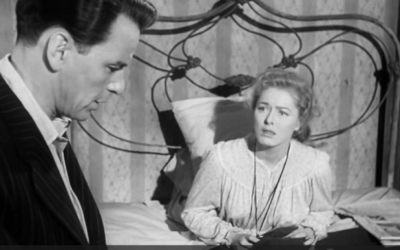
The Man with the Golden Arm, 1955
The values of the protagonist’s world may conflict (cohesion factor) with those of the world of the plot.

Discover here an extract from a narrative work, complete with commentary, to inspire you—whether you wish to emulate it, reimagine it, or do the exact opposite.
Log in for more »
