
When storytelling goes wrong…
You wish to find out why your story doesn’t deliver
You are convinced that you need to improve it
You are looking for solutions in the craft
You are seeking to overcome writer’s block by employing systematic questioning
Here are
The 15 most common reasons
why storytelling can go wrong
1. The public remains increduluous.
Narrative pact issues
2. The audience is not moved by what is being told.
Weak emotional experience
3. The intellect of the audience is not engaged, or the information conveyed is wrong or incomprehensible.
Access to knowledge issues
4. The protagonist’s core problem is not complex enough to justify and nurture their quest in the long run (the time of a novel, movie, play, etc.) and thereby sustain the empathy of the audience.
Weak or nonexistent story
5. The plot does not produce a steady stream of events (and therefore surprises) sufficient to maintain interest.
Narrative hypotension
6. The narrative merely conveys events without shedding a fresh light on the plot and enriching our perception of it.
Superficiality
7. The narrative does not do what it explicitly or implicitly announces it will do.
Unfulfilled promises
8. The logical link between cause and effect governing the world of the story is inconsistent or incomprehensible.
Plausibility issues
9. The narrative makes too much use of mystery for the purpose of creating suspense. Possible developments are too uncertain to be perceived. The audience cannot follow their own imaginary leads.
Smoke screens
10. Characters do not take risks. Their actions have no potential impact on their future. The audience don’t fear for them.
Lack of stakes
11. The narrating agent doesn’t take risks. No potentially dangerous truths (for them) are revealed by the narrative. The audience are not engaged.
The narration keeps us at a distance
12. The narrating agent’s beliefs about the plot and characters are unclear, fail to convince the audience, or simply don’t come through.
Non pertinent narrative
13. The narrating agent has not mastered their craft (yet).
Lack of narrative skills
14. The narrating agent is a brilliant narrative technician but the work nevertheless doesn’t come alive.
Technical dryness
15. The “implicit author” doesn’t know (anymore) what they want to write, say or show.
Intentions issues
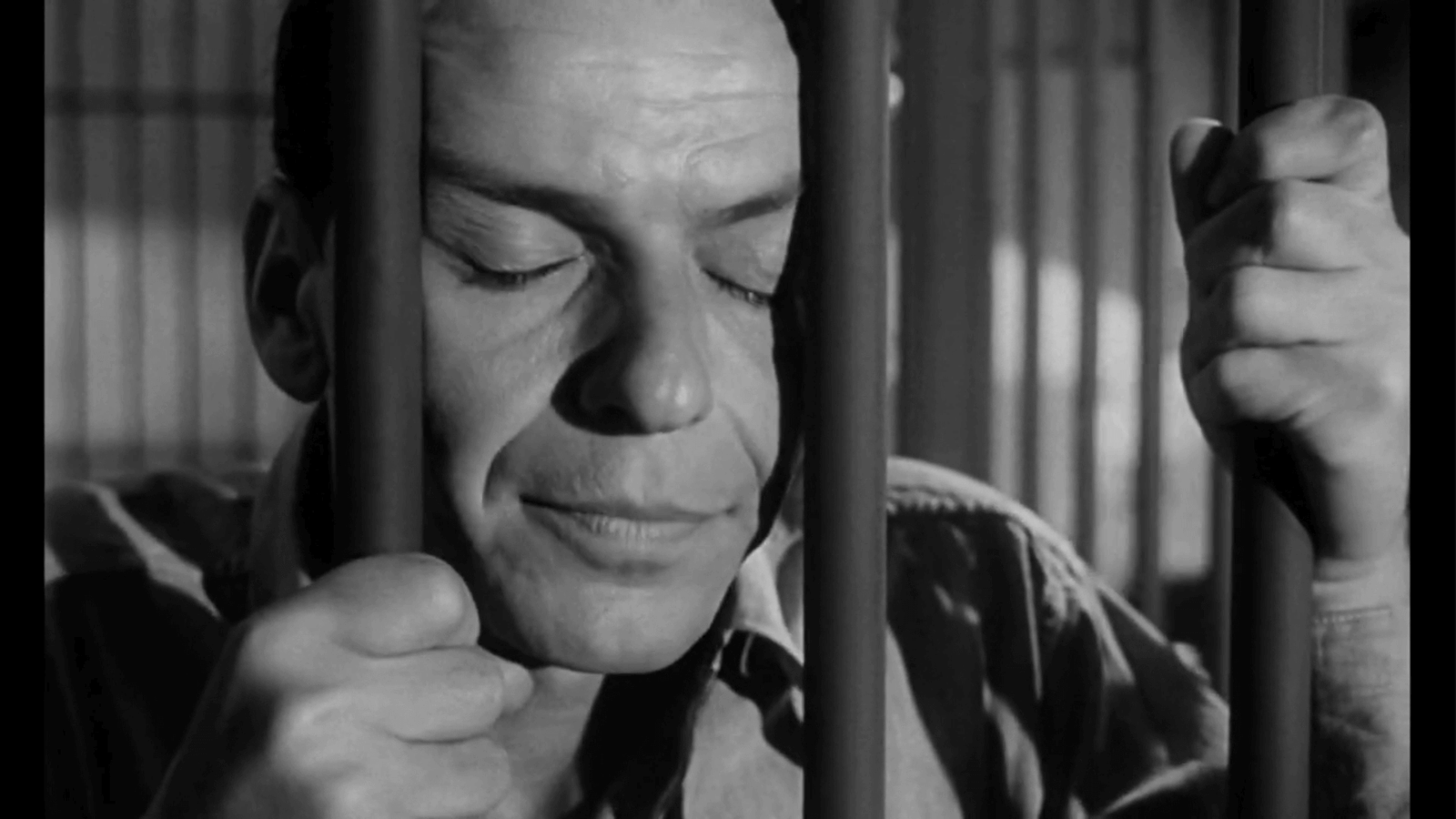
When storytelling goes wrong…
The Man with the Golden Arm
