
What does your protagonist want?
Key Points about the objective:
• The first goal of a human being is (generally) to exist, that is to say to do everything to ensure their physical existence (safety, food, health) and psychological wellbeing (feelings, belonging, values, etc.)
Unhealthiness (physical, psychological) can be an implicit or explicit objective (a choice) … therapists tell us.
When it is not a choice, it normally generates an objective, which is to remedy it.
Not wanting to do anything about one’s unhappiness is a psychiatric condition that endangers one’s existence.
More generally “not wanting to do anything” is an explicit objective, providing it is a choice (as in meditation – I decide to meditate, therefore I stop wanting anything).
If it is not a choice, then this could the symptom of depression and the protagonist’s life may be at risk.
“Doing nothing” is an action, provided that it is the result of a choice.
If it is not a choice, the protagonist “doesn’t know what to do”. It is a moment of confusion that can only be temporary, otherwise it could be a pathology.
One can also choose “not to know what to do”… temporarily. It can be a way to try to suspend time and give oneself over to contingency (another proposition for meditation?)
• The protagonist’s objectives
The protagonist is able/willing to express their desires…
Example: Casablanca, Warner Bros., 1942
What do you want Rick Blaines ?
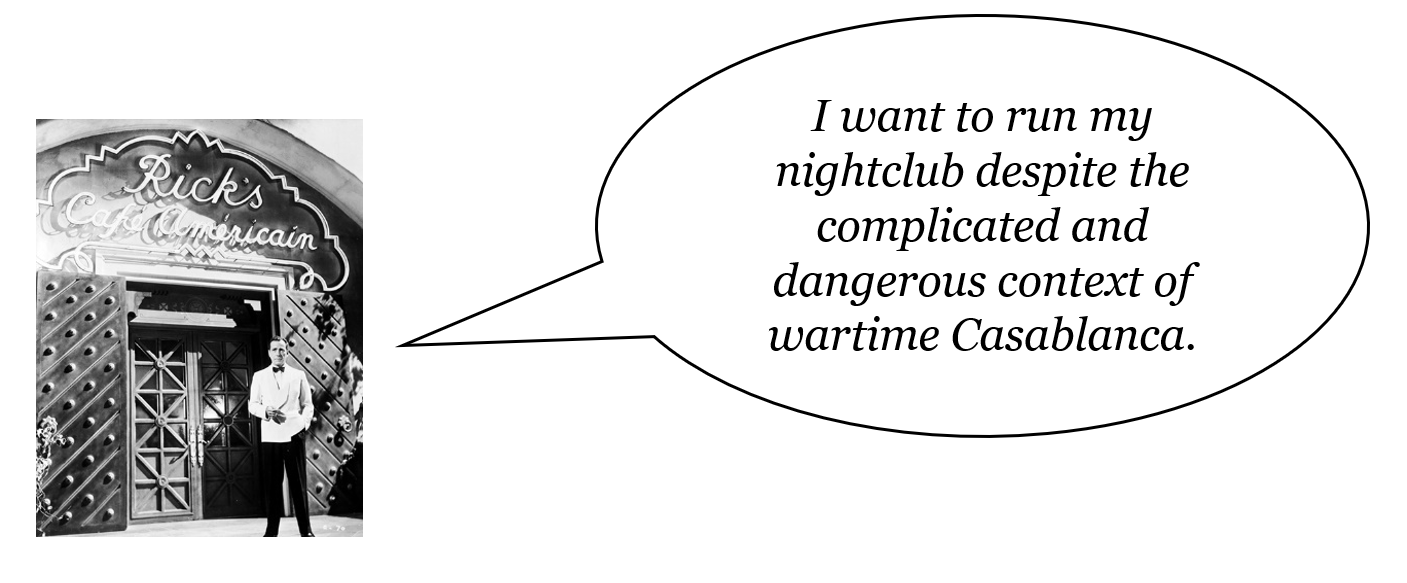
We will call the objectives that the protagonist describes “explicit”.
Explicit objectives
A plot is a series of explicit transient objectives (or micro objectives) in order to achieve a more general explicit objective (macro objective, the crux of the plot)
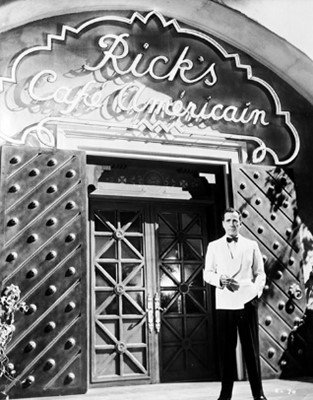
Explicit objective of the plot
Rick’s objective is the source of the main suspense of the plot, fueled by the key question: will he manage to do his job in spite of the objections of his conscience?
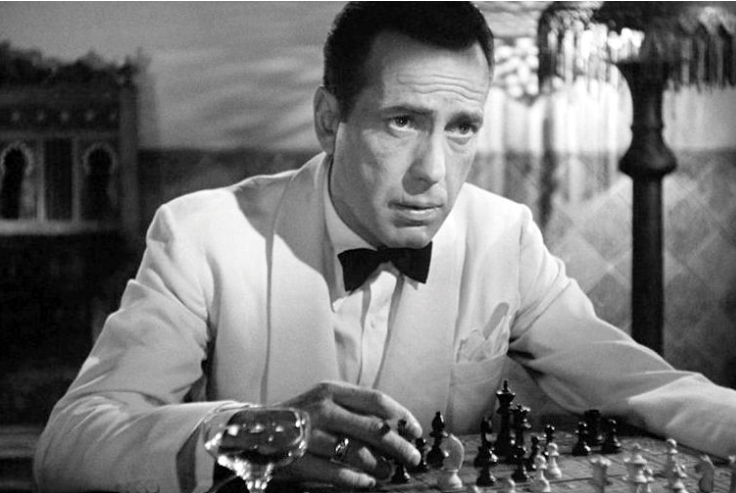
Explicit transient objective
In the first scene inside the café, Rick plays chess alone. This allows him to keep an eye on the business while avoiding contact with his customers, thus displaying his “neutrality”
This objective is one of the elements of an event (the chess game is going to be interrupted by an arrogant German banker who urges him to “take sides”).
The choice of the objectives is also an element of the characterization. This chess playing objective is a strategy for achieving the explicit objective of the plot.
Your character may not be aware of what they want, or not fully aware of it, or may not want to talk about it. We’ll call this an implicit objective.
Implicit objectives
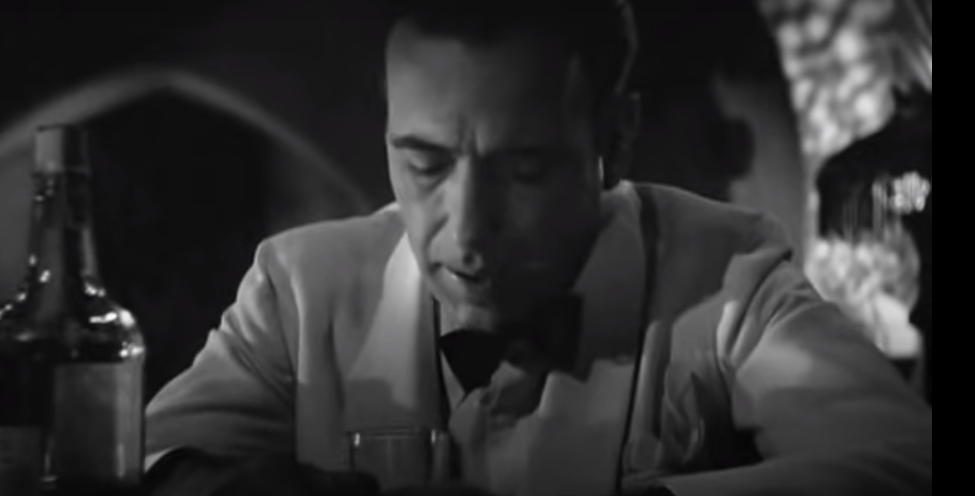
What Rick doesn’t tell us is that he wishes he could make sense of his life in this world where no one can be trusted. Rick asks himself questions about the man he has become since…
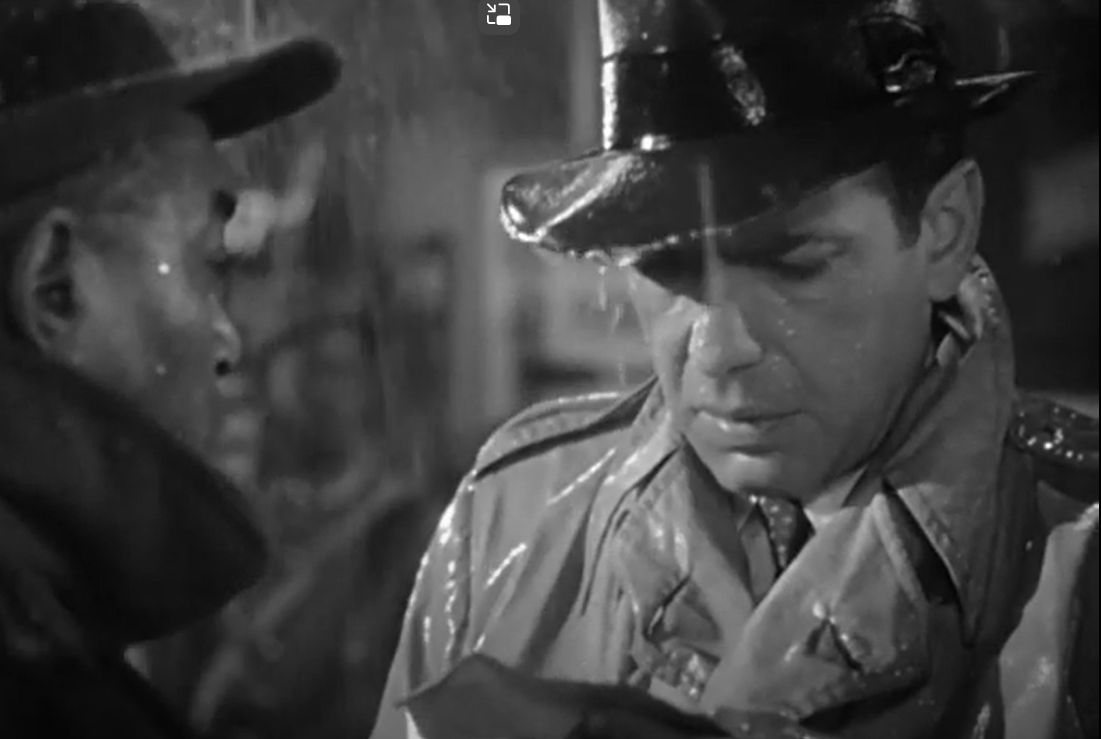
… the woman he loved stood him up in Paris a few months earlier.
Without this incident, there would be no Rick’s Café in Casablanca, no Renaud, no Cornelian choice on the airport tarmac, no masterpiece of classic Hollywood cinema…
The primary story event (she stood him up) triggers the implicit objective of the plot: As a result of the incident at the Paris train station, Rick has become a cynical, emotionally detached, disillusioned man who says he wants to be neutral, in contradiction with his true beliefs.
• Some observations about the implicit objective:
– It is one of the direct consequences of the story.
– It can be a mourning process following a traumatic event in the past (as in Casablanca), but many other circumstances too: a conflict of loyalty, the pursuit of a parental injunction, a phobia, a mistake, etc.
– It is known under different names: “Super Objective”, “Need”, “Thematic objective”, etc.
– The protagonist says that they want to achieve the explicit objective, but generally it is the implicit objective that matters most for them.
– Sometimes the explicit objective is contradictory and counterproductive. The protagonist realizes at the end of the plot that they must change it in order to achieve the implicit objective. This is a very common plot resolution.
– It is not necessary to know the protagonist’s motivations for the implicit objective. The more the characters keep their mystery, the easier it is to identify with them (as in Tintin).
– Not all characters have an implicit objective. The more the explicit objectives involve urgent existential risks, the less energy can be devoted to existential issues and questions.
